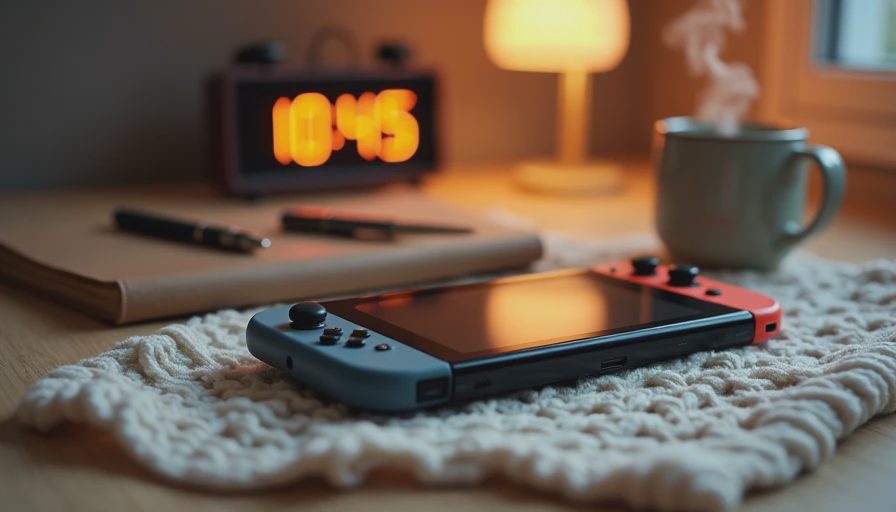
Let me tell you about the game that broke me.
It was a critically acclaimed indie title. Gorgeous pixel art. Haunting soundtrack. A 94 on Metacritic. Everyone I knew was singing its praises. I bought it on a Friday night, kissed my wife Megan goodnight, and settled in for what I hoped would be a memorable weekend.
Three hours later, I had walked through a forest, talked to three NPCs who all said the same thing, and watched a cutscene that was basically a philosophy lecture. Nothing had happened. Nothing had happened. I wasn't engaged. I wasn't curious. I was just... walking.
I gave it a second night. Then a third. By the end of the weekend, I'd invested about six hours. And I felt nothing. No joy. No connection. No desire to continue.
I closed the game and never opened it again.
That was the moment I decided I was done. Done wasting my limited free time on games that were "interesting" but not worth my night. Done trusting hype over my own instincts. Done pretending I had the patience of my twenty-two-year-old self.
I love games. I've been playing them for decades. But I'm a 38-year-old product operations lead in Naperville, Illinois. I have a wife, two kids, a house built in 2023 that still has a few things that need fixing, and a job that demands my brainpower from nine to five. My evenings are precious. My gaming time is measured in minutes, not hours.
I can't afford to waste them.
The Real Cost of a Bad Recommendation
Here's the thing about a bad game recommendation: it doesn't just cost you money.
It costs you time. It costs you energy. It costs you the opportunity to play something that actually respects your evening.
I've bought games on sale because they were cheap. I've bought games because a friend swore they were amazing. I've bought games because the Steam page had a trailer that gave me goosebumps. And I've regretted most of them.
Not because they were bad games. Most of them were fine. Competent. Well-made. Even "interesting."
But they weren't worth my night.
There's a big difference between "interesting" and "worth your evening." Interesting makes you curious. Worth your evening makes you feel like you spent your time well. Interesting can be slow and abstract. Worth your evening hooks you early and rewards you consistently.
I spent years confusing the two. I'd start a game, feel lukewarm about it, and tell myself "it'll get better." I'd force myself through hours of boredom because I didn't want to admit I'd made a mistake. I'd finish games I didn't enjoy out of sheer stubbornness.
Then I stopped. And I started building systems for deciding what to play, what to skip, and what to recommend to friends who only get a few free hours a week.
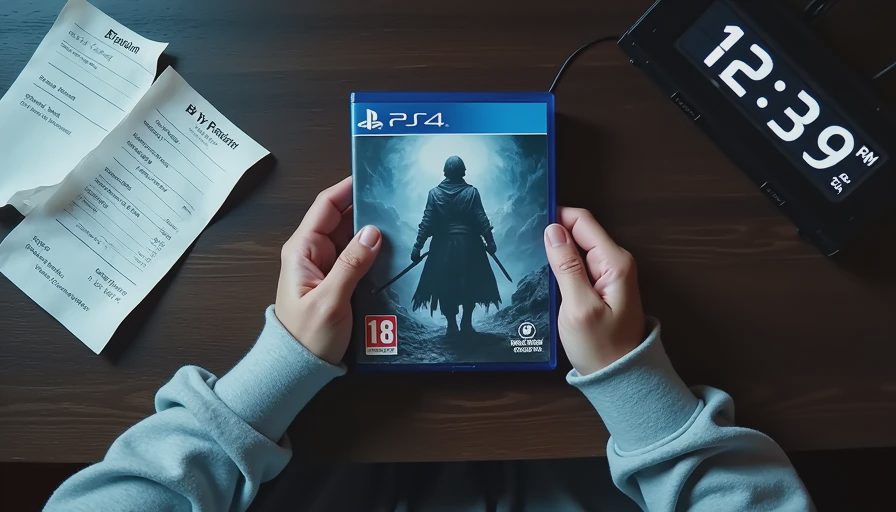
What This Blog Is (and What It's Not)
This blog is not a review site. I'm not here to give you a score or tell you whether a game is "good" or "bad." Those words are useless. Everything is good to someone. Nothing is good to everyone.
Instead, I want to answer a much more practical question: Is this game worth your night?
That's it. That's the filter.
I want to tell you whether a game respects your time. Whether it gets good early or makes you wait. Whether it's worth playing in 60-90 minute chunks. Whether it earns the emotional payoff it's asking you to invest in.
This blog is for players who are done with hype. Done with "masterpiece" recommendations that require ten hours of patience first. Done with feeling like you're missing out because you can't keep up with every new release.
I'm not here to be an elite tastemaker. I'm not here to show off my indie credentials. I'm here to be a discerning friend who has already made the mistakes so you don't have to.
My Personal System for Choosing Games
Over the years, I've developed a pretty reliable process for evaluating games. I'll share the full breakdown in future posts, but here's the short version.
First 30 minutes: Does this game tell me what it is? Does it respect my time from the start? Is it honest about what the full experience will be? If a game hides its true nature behind a slow opening, that's a red flag.
First 90 minutes: Have I been hooked? Do I care about what happens next? Is there a sense of momentum, or am I still waiting for the "good part"? A game should earn your next hour. If it hasn't done that by the 90-minute mark, it's not likely to.
After three sessions: Am I excited to come back? Or am I playing out of obligation? This is the ultimate test. If a game feels like homework by night three, I'm out.
I know this sounds strict. Maybe even harsh. But when you only have a few hours of gaming time per week, you can't afford to be generous. You have to be selective. You have to be ruthless about what gets your attention.
Why I Gravitate Toward Indie Games
You'll notice this blog focuses on indie games. There's a reason for that.
Indie games are shorter. They're more focused. They don't have the budget for filler content. They have to earn your attention from the start.
AAA games often rely on spectacle and scale. They promise 100 hours of content and deliver 40 hours of tedium. Indie games promise 8 hours of focused experience and deliver exactly that.
I'm not saying every indie game is good. Plenty of them are bad. Confused. Overly ambitious. Broken in ways that feel unfinished.
But the best indie games—the ones I want to talk about—are honest. They tell you what they are early. They respect your time. They reward your attention. They don't waste your evening.
My Promise to You
I'm going to be honest with you.
I'm not going to hype up a game because I want to seem smart. I'm not going to recommend something because everyone else is talking about it. I'm not going to pretend a game is a masterpiece if it doesn't deliver.
I'm going to tell you what I actually think. What worked. What didn't. Who I think a game is for. And whether it's worth your night.
Sometimes I'll be enthusiastic. Sometimes I'll be skeptical. Sometimes I'll tell you to skip a game that everyone else loves because it's not a good fit for busy adults.
That's the point. This blog isn't about consensus. It's about fit. It's about helping you find games that actually work for your life, not games that work for someone else's.
Where We Go From Here
In the coming weeks, I'll be sharing:
Short-form recommendations in Worth the Night – quick verdicts for your limited free time
Discovery pieces in Hidden Lanterns – overlooked indie games that deserve more attention
Deeper analysis in Systems That Sing – what makes good indie design actually work
Personal reflections in Backlog With a Pulse – essays on adult gaming, buying restraint, and real-life choices
I hope you'll stick around. I hope you'll find something useful. I hope you'll waste fewer evenings on games that don't deserve you.
Because at the end of the day, that's what this is all about. Helping busy adults make smarter choices about how they spend their limited gaming time.
A good game should earn your next hour.
Worth your night, or not?


No notes yet — write the first.