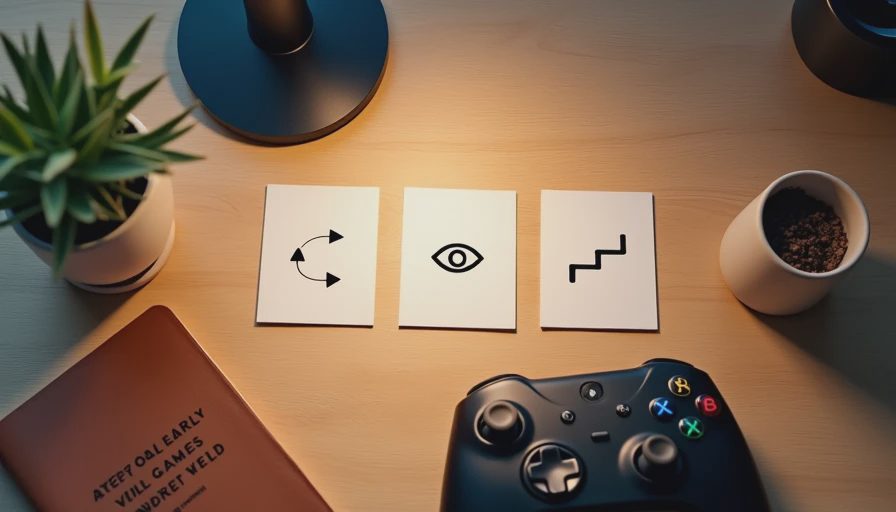
The Game That Made Me Reconsider Difficulty
I have a confession to make.
I used to think difficulty was the same as depth. The harder a game was, the more "real" the experience must be. If I wasn't struggling, I wasn't learning.
Then I played a game that proved me wrong.
It was a short indie title. Beautiful pixel art. A simple control scheme. A world that unfolded like a quiet conversation. Within the first ten minutes, I felt something I rarely feel in games: satisfaction.
Not relief at overcoming a challenge. Not the adrenaline of surviving a tough fight. Just a quiet, steady sense of reward.
I hadn't done anything difficult. I hadn't proven myself. I'd just... played. And the game made me feel good for doing it.
That experience changed how I think about game design. It made me realize that some games—especially indie games—do something special. They make you feel rewarded before they ever ask you to be good.
The Myth of "Earned" Satisfaction
A lot of games operate on a simple principle.
"You need to earn your fun."
The game starts simple, maybe even boring. You struggle with basic mechanics. You fail. You try again. Eventually, you get good enough to reach the "real" content. That's where the reward is.
This isn't necessarily bad design. It works for certain types of games. But it's not the only way.
Some games flip the formula. They reward you from the start. They give you satisfaction before you've proven anything.
And that's not a compromise. That's a design choice.
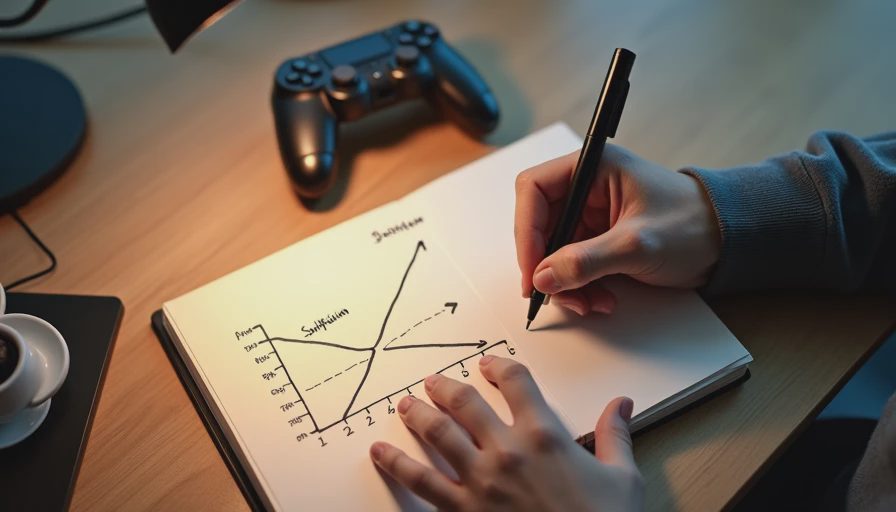
The Three Pillars of Early Reward
After playing dozens of indie games that nail this feeling, I've identified three things they do differently.
Pillar One: Immediate Feedback Loops
In many games, you have to wait for feedback. You hit an enemy, and nothing happens. You solve a puzzle, and nothing happens. You make a choice, and you're not sure if it mattered.
In rewarding indie games, feedback is immediate and satisfying. Every action produces a response. Every input feels like it matters.
Pillar Two: Clear Signalling
These games tell you what you're supposed to do. Not through text boxes or tutorials, but through design. The world itself shows you the way. The mechanics themselves teach you the rules.
You're never confused about what you're supposed to be doing. And that clarity feels good.
Pillar Three: Progressive Complexity
Difficulty isn't a wall. It's a gently rising slope.
You start with simple mechanics and satisfying early successes. Then the game introduces new ideas, builds on what you know, and gradually increases the challenge. You don't feel overwhelmed. You feel like you're learning.
What This Looks Like in Practice
Let me give you a concrete example.
In a good action game, your basic attack feels good. The animation is weighty. The sound design is satisfying. The enemy reacts in a way that makes your action feel meaningful. Every button press produces a small reward.
You don't need to unlock a combo system. You don't need to get better at parrying. You don't need to reach level five. Your basic action, the thing you do from minute one, is satisfying.
That's the foundation. Everything else builds on it.
In a good puzzle game, the first puzzle makes you feel clever. It's not hard, but it's not trivial. You figure it out, and you feel a small surge of satisfaction. The next puzzle builds on that idea. And the next. And the next.
You're not grinding for the good part. The good part starts immediately.
Why This Matters for Busy Adults
Here's why I care about this.
I don't have time for games that make you "earn" the fun. I don't have ten hours to wait for a game to get good. I don't have the patience for a steep learning curve that punishes me for not being a teenager with unlimited free time.
I need games that reward me from the start. Games that make me feel smart, capable, and satisfied—even when I'm still learning the basics.
Indie games do this better than most AAA titles.
Not because indie developers are smarter. But because they have to be more intentional. They don't have budgets to fill with spectacle. They don't have marketing campaigns to sell you on a promise of later rewards. They have to deliver satisfaction from the first minute. Because if they don't, you'll close the game and play something else.
The Games That Get It Right
Let me give you some examples of games that nail this.
Hades. The combat feels incredible from the first run. Dash. Strike. Special. The feedback is immediate and satisfying. You don't need to unlock anything to feel like the game is working.
Celeste. The mechanics are simple. Jump. Dash. Climb. The level design teaches you the rules gently. Every successful screen feels like an achievement, even the early ones.
Cocoon. The puzzles start simple but clever. You feel smart for solving them, even when they're not hard. The game respects your curiosity.
Into the Breach. The combat is immediately clear. You see the enemy's moves before they make them. You plan, you execute, you feel rewarded. No grinding. No waiting.
These games don't ask you to be good. They make you feel good. And then they invite you to get better.
The Trap of Delayed Gratification
Some games delay gratification intentionally.
"We'll make you work for it. And when you get it, it'll feel earned."
I understand the philosophy. I even appreciate it in certain contexts. But it's a risk. When you delay gratification, you're asking the player to trust you. You're asking them to invest time and energy without any guarantee of reward.
That trust is hard to earn. And it's easy to break.
If you're a busy adult with limited time, that trust is even more fragile. You don't have the luxury of waiting ten hours for a game to get good. You need satisfaction now. Not because you're impatient. Because you're realistic about your time.
The Indie Advantage
Indie games have an advantage here.
They're shorter. They're cheaper. They don't have to be "epic" in scope. They can focus on what matters: a single, polished experience that respects your time.
When an indie game rewards you early, it's not a compromise. It's a design philosophy.
"Here's the core loop. It's good. We know it's good. We're not going to hide it behind ten hours of busywork."
That's the philosophy I'm looking for. That's the design I want to celebrate.
The Bottom Line
A good game should earn your next hour. Not your tenth hour. Not your twentieth. Your next one.
The best indie games understand this. They reward you from the start. They make you feel smart, capable, and satisfied before you've done anything difficult.
They know that difficulty isn't the same as depth. They know that challenge isn't the same as satisfaction. They know that a game doesn't need to be hard to be good.
And that's why they're worth your night.
Worth your night, or not?


No notes yet — write the first.