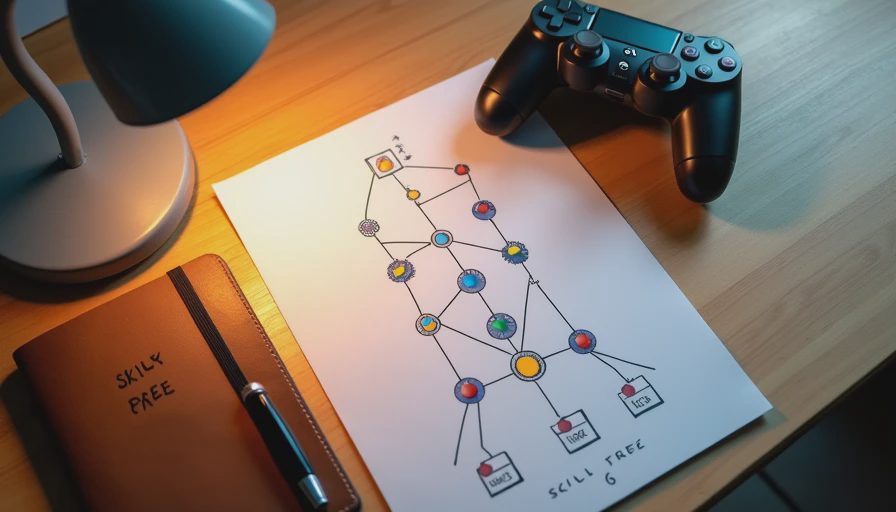
The Skill Tree I Actually Remember
I've played a lot of games with skill trees.
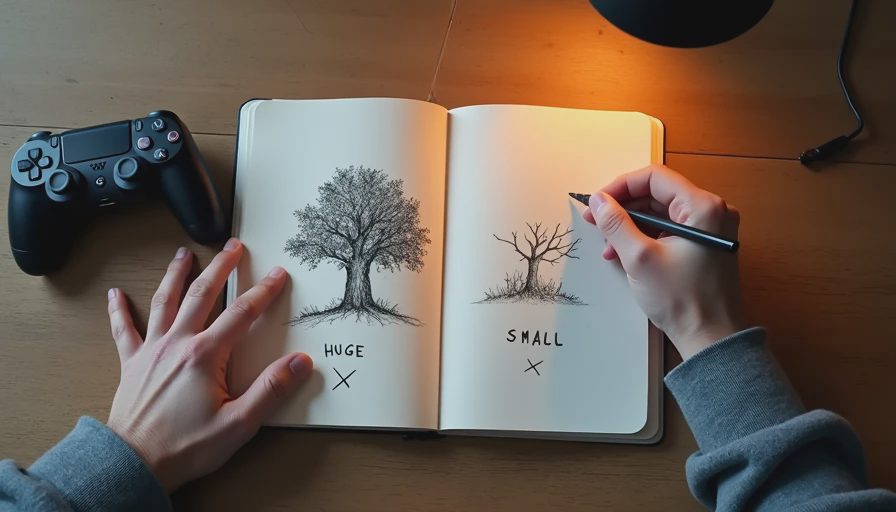
Some are massive. Dozens of nodes. Branching paths. Multiple tiers. Pages of abilities. They look impressive on paper. They promise endless customization.
And most of them are forgettable.
I've played games with huge skill trees where I couldn't tell you a single ability I unlocked. I just clicked on things that seemed useful and moved on. The tree was there, but it didn't matter.
Then there are the small skill trees. The ones with a dozen nodes. The ones that are focused and intentional. The ones that actually change how you play.
I remember those.
This is a piece about small skill trees. Why they're often better than huge ones. Why they feel more satisfying. And which games get them right.
The Problem with Big Skill Trees
Big skill trees have a few problems.
They're overwhelming. You open the tree and you're faced with dozens of choices. You don't know what to pick. You don't know what's good. You end up picking randomly or following a guide.
They're often shallow. Many nodes are just incremental upgrades. "+5% damage." "+10% health." These don't change how you play. They just make numbers bigger.
They're forgettable. You unlock a node, you get a small bonus, and you forget about it. The tree is just a checklist, not an experience.
They're a distraction. You spend more time planning your build than actually playing the game. The tree becomes the game, and the game becomes secondary.
They're a crutch for bad design. If a game has a huge skill tree, it's often because the core gameplay isn't deep enough. The tree adds complexity without adding depth.
Why Small Skill Trees Work
Small skill trees do the opposite.
They're focused. Each node matters. Each choice is meaningful. There's no filler.
They're memorable. You remember the abilities you unlock because they change how you play.
They're intentional. The designer has thought about each node. There are no throwaway upgrades.
They're accessible. You can understand the tree quickly. You don't need a guide.
They're satisfying. Unlocking a node feels meaningful. It's not just a number increase. It's a new ability, a new strategy, a new way to play.
Three Games with Small Skill Trees
Let me give you some examples of small skill trees that work.
1. Hades
The Mirror of Night in Hades has about a dozen upgrades. You can only have a few active at a time. Each upgrade changes how you play.
They're not +5% damage. They're "your dash deals damage to enemies you pass through." They're "you gain health when you use a certain ability." They're meaningful choices that affect strategy.
The tree is small. And I remember every single node.
2. Celeste
Celeste doesn't have a skill tree in the traditional sense. But it has the equivalent: strawberries, cassette tapes, and B-sides. Each one unlocks something meaningful.
There's no grinding. No incremental upgrades. Just challenges that reward you with real progress.
The progression is simple. And it's memorable.
3. Hollow Knight
Hollow Knight has a charm system. You find charms, you equip them, and they change how you play. Some increase your health. Some change your attack. Some add new abilities.
You can only equip a limited number of charms at a time. You have to choose. The choices matter.
The charm system is small. And it's one of the best progression systems I've ever experienced.
What Small Skill Trees Do Better
Small skill trees do a few things better than large ones.
They respect your time. You don't have to spend hours planning a build. You just pick something that looks interesting and see how it works.
They reward experimentation. Because the tree is small, you can try different builds without a huge time investment. If something doesn't work, you can change it.
They create meaningful choices. Every choice matters. There's no "+5% damage" filler.
They're memorable. You remember the abilities you unlocked because they changed how you play.
They're focused. The tree supports the gameplay. It doesn't replace it.
The Difference Between Depth and Complexity
There's an important distinction here.
Depth is how much there is to discover. Complexity is how many things there are to manage.
A huge skill tree is complex. A small skill tree is deep.
Hades is deep. There are many strategies, many combinations, many ways to play. But the skill tree is small. The depth comes from the gameplay, not the tree.
This is the key. Small skill trees support depth. They don't replace it.
Why This Matters for Busy Adults
I care about this because I don't have time for complexity.
I don't want to spend hours planning a build. I don't want to read a guide to figure out which nodes are good. I don't want to grind for incremental upgrades.
I want to play the game. I want to make meaningful choices without getting overwhelmed. I want to experiment without feeling like I'm wasting time.
Small skill trees give me that.
What I Look for in Progression
When I evaluate a game's progression system, I look for a few things.
Are the upgrades meaningful? Do they change how I play, or just make numbers bigger?
Is the tree focused? Are there nodes that feel like filler? Or does every node have a purpose?
Can I experiment? Can I try different builds without a huge time investment?
Is it easy to understand? Can I look at the tree and quickly understand my options?
Does it support the gameplay? Or does it feel like a separate system?
These questions help me distinguish between good progression and bad progression.
The Games I Keep Coming Back To
The games I keep playing have small, focused progression systems.
Hades: The Mirror of Night
Celeste: Strawberries and B-sides
Hollow Knight: Charms
Slay the Spire: Card choices
Into the Breach: Mech upgrades
These games have small systems. And I've played each of them for dozens of hours.
The games with huge skill trees? I usually quit after a few hours. The tree becomes a chore. The game becomes work.
The Bottom Line
Bigger isn't always better.
A huge skill tree is often just filler. It's complexity without depth. It's a checklist, not an experience.
A small skill tree is focused. It's intentional. It supports the gameplay instead of replacing it.
If you're a busy adult with limited time, small skill trees are better. They respect your time. They reward experimentation. They're memorable.
I'll take a small, focused tree over a huge, bloated one any day.
A good game should earn your next hour. A small skill tree is how it does that.
Worth your night, or not?

No notes yet — write the first.