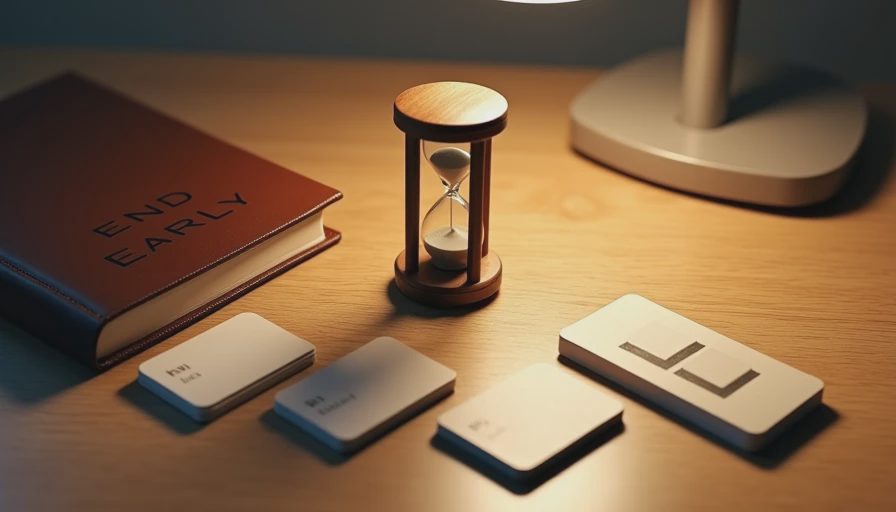
The Game I Never Finished
Before I had kids, I finished almost every game I started.
Not because I was disciplined. Because I had time. I could play for hours. I could commit to a 60-hour RPG without hesitation. I could stay up late and still function the next day.
Then my son Aaron was born. Then my daughter Lucy. And everything changed.
I remember trying to play a massive open-world game when Aaron was about two. I'd played the first few hours before he was born, and I was excited to continue. I'd heard the game really opened up after the first act.
I never made it past the first act.
Every time I sat down to play, something happened. A diaper needed changing. A nap was overdue. A meal needed to be prepared. A bedtime story was demanded.
I'd play for 20 minutes, get interrupted, and come back two days later having no idea what I was supposed to be doing.
After a few weeks, I gave up. The game wasn't going to work for me anymore. My life had changed.
And that was okay.
The Time Shift
The most obvious change is time.
Before kids, I had hours. I could play in long sessions. I could commit to complex, lengthy games.
After kids, I have minutes. I play in short bursts. I can't commit to anything that requires long sessions or intense concentration.
This changed everything about how I choose games.
Before kids: "This game looks interesting. I'll give it a try."
After kids: "Does this game work in 30-60 minute chunks? Does it have quick save? Can I pause at any time?"
The questions are different. The priorities are different. The games I choose are different.
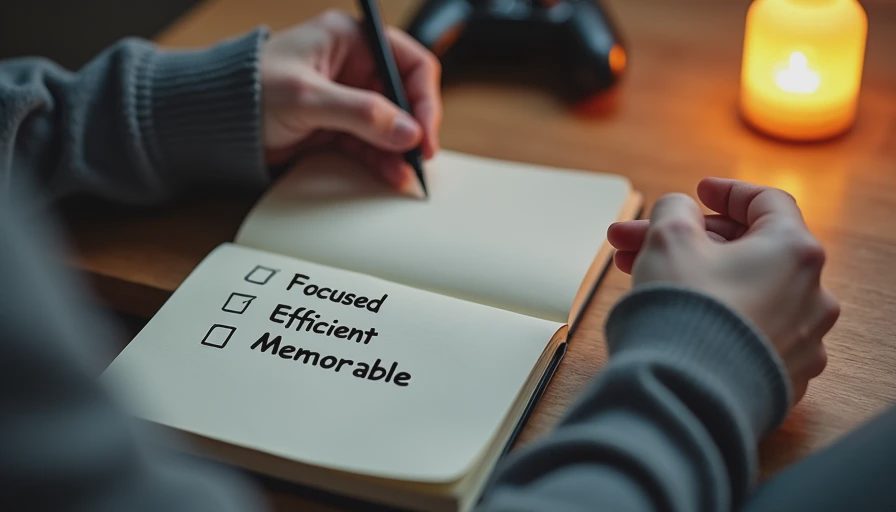
The Energy Shift
Time isn't the only thing that changed.
Energy changed too.
Before kids, I had plenty of energy. I could play complex games after work. I could learn new systems. I could focus intensely.
After kids, my energy is limited. I'm tired. I'm distracted. I'm thinking about a dozen other things.
I can't play games that demand a lot of cognitive load. I can't play games that require intense concentration. I can't play games that punish you for being distracted.
I need games that are engaging but not exhausting. Games that respect my limited energy. Games that don't require me to be fully alert.
This changed my taste significantly. I used to love complex strategy games. Now I prefer games that are simpler, more intuitive, more forgiving.
The Money Shift
Money changed too.
Before kids, I had disposable income. I could buy games on a whim. I could try things I wasn't sure about. I could take risks.
After kids, money is tighter. I can't waste money on games I won't play. I can't buy things on a whim. I have to be selective.
This changed how I approach purchases.
Before kids: "This looks interesting. I'll buy it."
After kids: "Is this worth the money? Will I actually play it? Can I get it on sale?"
I'm more patient now. I wait for sales. I read reviews. I research before buying. I've become a much smarter consumer.
The Taste Shift
The most interesting change is taste.
Before kids, I wanted games that were complex, challenging, and demanding. I wanted to be tested. I wanted to prove myself.
After kids, I want games that are relaxing, rewarding, and respectful. I want to be engaged, not tested. I want to enjoy myself, not prove anything.
This is the biggest shift. My taste hasn't declined—it's evolved. I still appreciate great games. I just appreciate different things about them.
I used to value difficulty. Now I value respect.
I used to value length. Now I value focus.
I used to value complexity. Now I value clarity.
I used to value challenge. Now I value satisfaction.
The Games I Play Now
Here are the kinds of games I play now.
Short narrative games. Journey. What Remains of Edith Finch. A Short Hike. Games that tell a complete story in a few hours.
Roguelikes. Hades. Slay the Spire. Into the Breach. Games that work in short runs and reward repetition.
Relaxing games. Stardew Valley. Dorfromantik. PowerWash Simulator. Games that don't demand too much.
Platformers. Celeste. Super Mario Odyssey. Games that work in short bursts and save your progress constantly.
Walking simulators. Firewatch. Abzû. Games that are about atmosphere and experience, not challenge.
These aren't the games I would have chosen before kids. But they're the games I need now.
The Games I Don't Play Anymore
I've also given up on some types of games.
Massive open worlds. I can't commit to them. I can't keep track of what I'm doing. I can't invest 60 hours.
Complex RPGs. I don't have the energy for inventory management, skill trees, and faction reputations.
Competitive multiplayer. I can't keep up. The reflexes aren't there. The time to practice isn't there.
Grindy games. I don't have time for filler. I don't have patience for repetition.
Games that don't respect my time. Long tutorials. Unskippable cutscenes. Limited save systems. I'm done with all of it.
The Acceptance
Here's the thing I had to learn.
It's okay that my taste changed.
It's not a decline. It's an evolution. I'm not a lesser gamer. I'm a different gamer. I have different needs, different priorities, different constraints.
I used to feel guilty about not finishing long games. I used to feel like I was missing out. I used to feel like I wasn't a "real" gamer anymore.
Now I don't.
I'm a real gamer. I'm just a real gamer with kids. And that means I play differently. Not better or worse—just differently.
What I've Gained
My kids changed everything about how I buy and play games.
They took away my time. They took away my energy. They took away my disposable income.
But they also gave me something.
They gave me clarity. I know what I want now. I know what works for me. I know what to skip.
They gave me focus. I don't waste time on games that aren't right for me. I'm selective. I'm intentional.
They gave me appreciation. I value my gaming time more now. I'm not taking it for granted. Every session feels like a gift.
They gave me perspective. Gaming isn't the center of my life anymore. It's a part of it. A wonderful part, but just a part.
The Bottom Line
Having kids changed everything about how I buy and play games.
I play differently now. I choose differently now. I buy differently now.
And that's okay.
My taste has evolved. My priorities have shifted. My gaming has adapted.
If you're a parent, you probably recognize yourself in this. If you're not a parent, you might not understand yet. That's okay. You'll get there.
The important thing is to be honest with yourself. Don't force yourself to play games that don't fit your life. Don't feel guilty about your taste changing. Don't compare yourself to players with more time.
Play what fits. Play what you love. Play what makes you happy.
A good game should earn your next hour. And it should earn your attention, your energy, and your limited time.
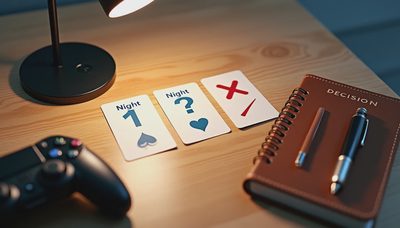
Worth your night, or not?


No notes yet — write the first.