The Game I Kept Playing
I have a game that I've played for over 100 hours.
It's not a massive RPG. It's not an open-world epic. It's a small indie game with a simple premise. You go into a dungeon, you fight enemies, you collect rewards, you come back.
That's it. That's the whole game. And I've played it for over 100 hours.
Why?
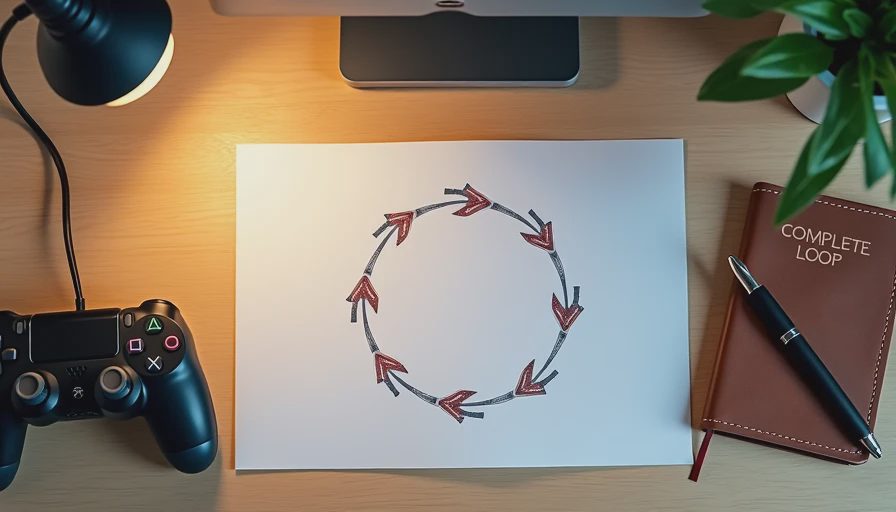
Because the gameplay loop feels complete. Not repetitive. Complete.
Every time I sit down to play, I feel like I'm doing something meaningful. I'm making progress. I'm learning. I'm getting better. The loop doesn't feel like a chore. It feels like a rhythm.
This is the magic of a great gameplay loop. It doesn't get old. It doesn't feel like repetition. It feels like progress.
What a Gameplay Loop Actually Is
Let me define what I mean by a gameplay loop.
A gameplay loop is the core cycle of actions you repeat in a game. You explore, you fight, you collect, you upgrade. You do these things over and over.
Every game has a loop. Some are simple. Some are complex. Some are satisfying. Some are boring.
The difference between a great loop and a mediocre one is whether it feels complete or repetitive.
The Difference Between Complete and Repetitive
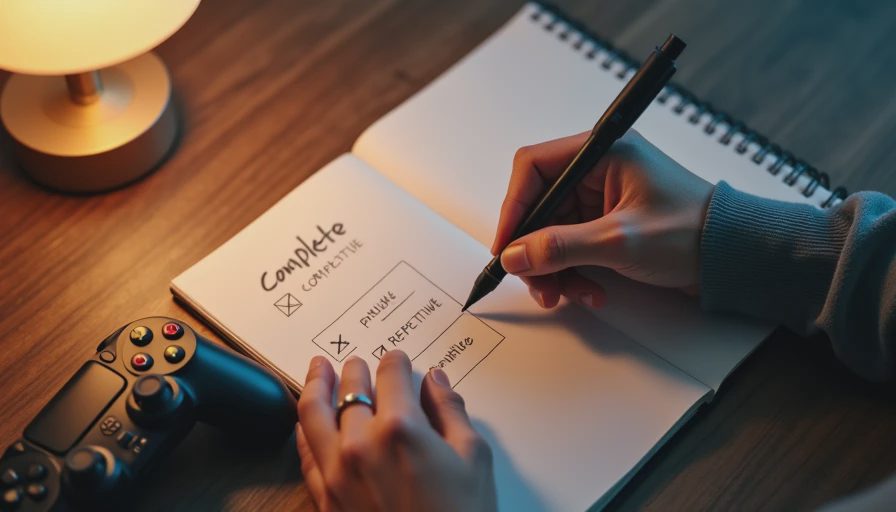
A complete loop feels like progress. You do something, you get a reward, you feel like you've moved forward. Each cycle adds to the last one.
A repetitive loop feels like a grind. You do the same thing, you get the same reward, you feel like you're treading water. Each cycle is the same as the last one.
Here's the distinction.
Complete loop: You learn something. You improve. You unlock something. You feel like you're going somewhere.
Repetitive loop: You do the same thing. You get the same reward. You feel like you're stuck.
Signs of a Complete Gameplay Loop
How do you know if a loop is complete or repetitive? Here are the signs I look for.
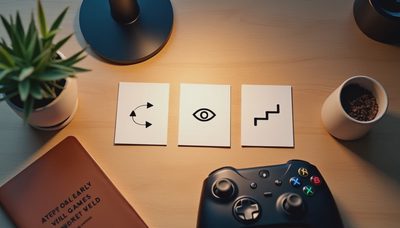
Progression. You're not just doing the same thing. You're getting better, unlocking new abilities, finding new content. The game rewards you for your time.
Variety. The loop changes over time. New enemies. New challenges. New mechanics. You're not doing the exact same thing for 20 hours.
Choice. You have agency. You can choose how to approach the loop. Different strategies, different builds, different paths.
Satisfaction. The loop feels good. The actions are satisfying. The feedback is immediate and rewarding.
Purpose. You know why you're doing what you're doing. There's a goal. There's a reason to keep playing.
Examples of Great Loops
Let me give you some examples of games with great loops.
Hades
The loop: Fight through rooms, collect rewards, die, upgrade, try again.
Why it works: Each run is different. The boons change. The weapons change. The enemies change. The story progresses even when you die. You're always moving forward, even in failure.
Into the Breach
The loop: Plan your moves, execute, survive, repeat.
Why it works: Each battle is a puzzle. The enemies' moves are known in advance. You plan, you adapt, you learn. The loop is short, satisfying, and always different.
Slay the Spire
The loop: Build a deck, fight enemies, collect cards, face the boss.
Why it works: Each run is different. The cards you get are random. The relics you find change your strategy. The loop is the same, but the experience is always new.
Stardew Valley
The loop: Plant, water, harvest, sell, upgrade.
Why it works: You see the results of your work. The farm grows. The seasons change. The rewards are tangible. The loop is consistent but the progress is visible.
What Makes a Loop Feel Repetitive
Now let me talk about what makes a loop feel like a grind.
No progression. You're doing the same thing, getting the same reward, and not moving forward.
No variety. The enemies are the same. The challenges are the same. The experience is the same.
No choice. You're on rails. There's only one way to play. No agency. No experimentation.
No satisfaction. The actions don't feel good. The feedback is weak. The rewards are meaningless.
No purpose. You're not sure why you're doing what you're doing. There's no goal. No reason to keep going.
I've played many games with repetitive loops. I've abandoned most of them. The ones I didn't abandon, I regretted.
Why This Matters for Busy Adults
I care about gameplay loops because I don't have time to waste.
If a loop is repetitive, I'll get bored quickly. I'll stop playing. I'll move on to something else.
If a loop is complete, I'll keep coming back. I'll invest my limited time. I'll feel like the investment was worthwhile.
For busy adults, the difference is huge. We don't have hours to spend on repetitive grinds. We need loops that respect our time and reward our attention.
How I Evaluate a Loop
When I start a new game, I pay attention to the loop.
Is it satisfying? Does the basic action feel good? Does it make me want to do it again?
Is there variety? Are there new things to discover? New challenges? New rewards?
Is there progression? Am I moving forward? Am I getting better? Am I unlocking new things?
Is there purpose? Do I know what I'm working toward? Is there a goal?
These questions help me decide whether the loop is complete or repetitive.
The Games I Keep Playing
The games I keep playing have complete loops.
Hades: Over 100 hours
Into the Breach: Over 50 hours
Slay the Spire: Over 80 hours
Stardew Valley: Over 100 hours
Dead Cells: Over 60 hours
These games have loops that never get old. They're always satisfying, always different, always rewarding.
The games I abandoned had repetitive loops. They were fine for a few hours, but they didn't hold my attention. The loop was the same from start to finish.
The Bottom Line
A great gameplay loop doesn't need to be complex. It doesn't need to be innovative. It just needs to feel complete.
Complete means satisfying. Complete means varied. Complete means progressive. Complete means purposeful.
When a loop feels complete, you'll keep coming back. You'll invest your time. You'll feel like the investment was worthwhile.
When a loop feels repetitive, you'll get bored. You'll move on. You'll feel like you wasted your time.
A good game should earn your next hour. A complete loop is how it does that.
Worth your night, or not?



No notes yet — write the first.