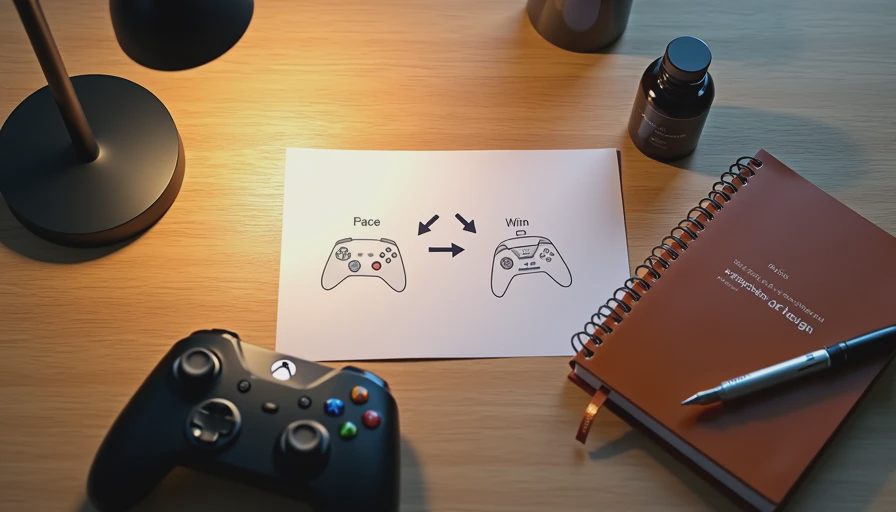
The First Ten Minutes
I have a theory about the first ten minutes of a game.
It's not about tutorials. It's not about story. It's not about setting the mood.
It's about trust.
The first ten minutes tell me whether the game respects my time. Whether it's going to waste my evening or earn my attention. Whether it's going to make me work for the fun or start the fun immediately.
This is what I call onboarding. Not just teaching mechanics, but building trust. And some games are incredibly good at it.
This is a piece about those games. About clean onboarding. About why it matters, how it works, and why indie games are often better at it than big-budget titles.
What Clean Onboarding Actually Means
Most players think of onboarding as "teaching me how to play." But that's only part of it.
Clean onboarding is about three things:
Teaching through design. You learn the mechanics by playing, not by reading. The game shows you what to do, and you understand it intuitively.
Building momentum. You start having fun immediately. There's no long wait for the "good part." The good part starts now.
Earning trust. The game proves it respects your time. It doesn't waste your attention on filler or busywork.
Clean onboarding is efficient, satisfying, and respectful. It tells you, "I know you're busy. I won't waste your time."
The Indie Advantage
Indie games are often better at clean onboarding than AAA titles. Not always, but often.
There are a few reasons for this.
Smaller budgets. Indie games can't afford to waste your time. They don't have the budget for filler content. They have to hook you early.
Fewer design constraints. Indie developers can focus on what works, not what's expected. They don't have to include a lengthy tutorial because that's what the genre does.
More personal investment. Indie developers care deeply about their games. They want you to have a good experience from the start. They're not just ticking boxes on a design document.
Better feedback loops. Indie developers often ship early and iterate. They listen to player feedback and refine their onboarding.
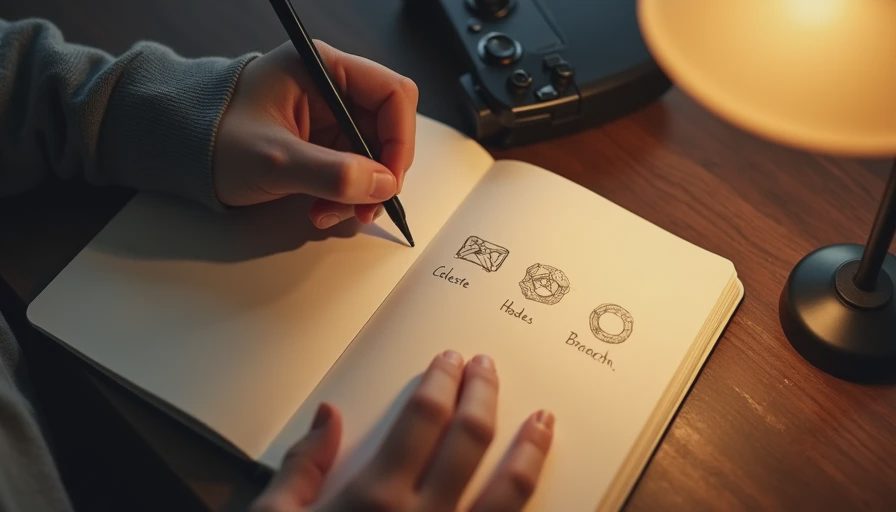
Three Examples of Clean Onboarding
Let me give you some examples of games that do onboarding really well.
Example One: Celeste
Celeste teaches you everything you need to know in the first screen.
You can jump. You can dash. You can climb walls. The game shows you each mechanic one at a time, in a safe environment. You learn by doing, not by reading.
The level design is teaching you. You don't realize you're being taught because you're too busy having fun.
That's clean onboarding.
Example Two: Hades
Hades is designed for quick learning.
You start with a simple weapon. You fight simple enemies. You learn the controls through combat. The game doesn't stop to explain things. It just throws you in and trusts you to figure it out.
The first run is short. The feedback is immediate. You're having fun before you know what you're doing.
That's clean onboarding.
Example Three: Into the Breach
Into the Breach is a turn-based strategy game with complex mechanics. But you wouldn't know it from the first level.
The first mission is simple. You see the enemy's moves before they make them. You plan your response. You execute. You learn the rules through practice.
The game teaches you everything you need to know in the first five minutes. It's elegant, efficient, and satisfying.
That's clean onboarding.
What Clean Onboarding Looks Like in Practice
Let me break down the specific techniques.
Learn by doing. The best onboarding teaches through action. You press a button, something happens, and you understand the mechanic. You don't need a text box explaining it.
Minimal text. If there is text, it's short and clear. No paragraphs of explanation. No lore dumps before you've even moved your character.
Safe failure. You can make mistakes without being punished. The first few tries are forgiving. The game wants you to experiment, not be perfect.
Immediate feedback. Every action produces a response. Press jump, you jump. Press attack, you attack. You understand the relationship between input and output.
Progressive complexity. The mechanics layer gradually. You learn one thing at a time. By the time it gets complex, you're ready.
Why This Matters for Busy Adults
Here's why I care about clean onboarding.
I don't have time for a game that takes an hour to teach me how to play. I don't have patience for a tutorial that treats me like I've never held a controller before. I don't have energy for a game that makes me work before I can have fun.
I need games that respect my time from the first minute. Games that teach me efficiently. Games that start the fun immediately.
Clean onboarding is a form of respect. It says, "I know you're busy. I'll be efficient. I'll earn your attention."
That respect is valuable. It's the difference between a game I finish and a game I abandon.
The Connection to Trust
There's something deeper happening with clean onboarding.
When a game teaches me efficiently, it earns my trust. I trust that the rest of the game will be well-designed. I trust that my time will be respected. I trust that the experience will be worth the investment.
That trust is fragile. It can be broken by a bad tutorial. By a long opening. By confusing design.
But when it's earned, it's powerful. It makes me want to keep playing. It makes me want to see what happens next. It makes me feel like the game is on my side.
The Games That Get It Wrong
I should also talk about games that get onboarding wrong.
The ten-hour tutorial. A game that's still teaching you after five hours is not respecting your time. It should have trusted you to learn faster.
The text dump. A game that explains everything in paragraphs of text is not designing well. It should show you, not tell you.
The punishing failure. A game that punishes you for mistakes in the first hour is not respectful. It should let you learn.
The confusing interface. A game that requires you to spend time reading menus is not efficient. It should be intuitive.
These games don't earn trust. They lose it. And once trust is lost, it's hard to win back.
The Bottom Line
Clean onboarding is undervalued.
We talk about graphics, story, and mechanics. We talk about length, depth, and replay value. We don't talk enough about how a game teaches you to play.
But it matters. It matters a lot.
Clean onboarding is efficient. It's respectful. It's satisfying. It earns your trust. It starts the fun immediately.
And that's especially important for busy adults.
A good game should earn your next hour. Clean onboarding is how it does that. It says, "I trust you. I'll teach you efficiently. I won't waste your time."
That's a promise worth making. And the best indie games deliver on it.
Worth your night, or not?


No notes yet — write the first.