Cozy games are supposed to make it easier to settle in after work, not create another obligation on your schedule. The best ones offer a clear first step, gentle friction, and a reason to play for twenty minutes or two hours. That matters when your free time begins after dinner, dishes, homework, and the small administrative tasks that somehow fill every evening. A good game should earn your next hour, and the right cozy game does that without demanding your entire weekend.
What makes cozy games worth playing?
The word “cozy” covers a wide range of experiences. It can mean decorating a house, restoring a garden, fishing beside a quiet river, solving low-pressure puzzles, or simply spending time in a world that is pleasant to inhabit. It does not automatically mean shallow. A game can be calm and still have excellent systems, sharp writing, or a meaningful sense of progress.
For me, the useful test is not whether a game contains soft colors and acoustic music. The question is what happens during the first 30 minutes. Do I understand the basic loop? Does the game respect my attention? Can I stop at a natural point without forgetting what I was doing? Cozy games work best when their comfort comes from good design rather than from removing every decision.
A strong example is A Short Hike. It is small, warm, and immediately readable: explore a mountain, meet people, collect useful items, and reach the summit when you feel ready. There is no ten-hour tutorial hiding behind the opening area. The game tells you what it is early, and that is a compliment. You can finish it in an afternoon, but the experience still leaves a satisfying emotional aftertaste.
The best formats for limited playtime
Different cozy games fit different kinds of evenings. If you have one uninterrupted hour, a focused adventure such as Lil Gator Game can give you a complete-feeling session. Its playful exploration has enough structure to prevent aimless wandering, while its generous tone makes mistakes inexpensive. It is a good choice when you want to feel that you accomplished something before bed.
For shorter sessions, Unpacking is unusually reliable. Each level gives you a contained task, and every object offers a small piece of environmental storytelling. You can complete one room in a sitting, stop cleanly, and return later without rebuilding a complicated mental map. The appeal is not just arranging items. It is watching a life take shape through ordinary possessions, from kitchen appliances to books and discarded keepsakes.
If you want a longer routine, Stardew Valley remains the obvious recommendation for a reason. Its first season takes patience, and the opening days can feel busy rather than restful. Once you understand the rhythm, though, a single in-game day can become a comfortable 15-minute unit. Farming, mining, fishing, relationships, and town projects give you several ways to spend time, so the game can meet you at different energy levels.
Cozy does not have to mean frictionless
Some of the most memorable cozy games include tension. Spiritfarer asks you to manage a boat, gather materials, improve facilities, and care for passengers who are approaching the end of their stories. The sailing and crafting are approachable, but the emotional subject matter is not weightless. It works because the practical tasks create space for reflection instead of interrupting it.
Dorfromantik takes a different approach. You place landscape tiles to build a growing countryside, matching edges and completing small objectives. The rules are simple, but each placement has consequences. A good session can last ten minutes or stretch much longer because the next decision is always visible. There is no frantic timer pushing you forward, yet the puzzle has enough structure to keep it from becoming wallpaper.
This is an important distinction when choosing cozy games. Relaxation is not the same as having nothing to do. Too little friction can make a game feel like a screensaver with errands attached. The better titles give you manageable choices, clear feedback, and room to set your own pace. You should feel gently engaged, not anesthetized.

A practical way to choose your next game
Start with the amount of time you actually have, not the amount of time you wish you had. If most sessions are under 30 minutes, avoid games built around long travel sequences, daily stamina management, or sprawling quest logs. Look for chapter-based adventures, puzzle loops, or games with frequent save points.
Next, decide what kind of payoff you need. A game like PowerWash Simulator delivers visible progress and soothing repetition. Strange Horticulture gives you a more focused mystery, with plant identification and a moody shopkeeping routine. Coffee Talk leans toward conversation and atmosphere, making it a better fit when you want to read and listen rather than optimize resources.
Finally, check the source of the friction. Some games are calming because their controls are simple. Others are calming because failure has little cost. A farming game may still require planning, while a narrative game may ask for emotional attention. Neither is automatically better. The right choice depends on whether your tired brain wants decisions, discovery, conversation, or a familiar task.
Games that can disappoint busy adults
Even well-reviewed cozy games can be poor fits for a particular week. A title with a slow opening may be excellent after several hours but wrong for a player who has only two sessions available. A game with extensive decorating can become work if its menus are awkward. A relaxing soundtrack cannot rescue repetitive objectives that never develop.
Watch for vague progression, excessive inventory management, and tutorials that explain basic actions while delaying the interesting ones. These are not fatal flaws, but they consume the exact resource busy players have least of: attention. Interesting is not the same as worth your night.
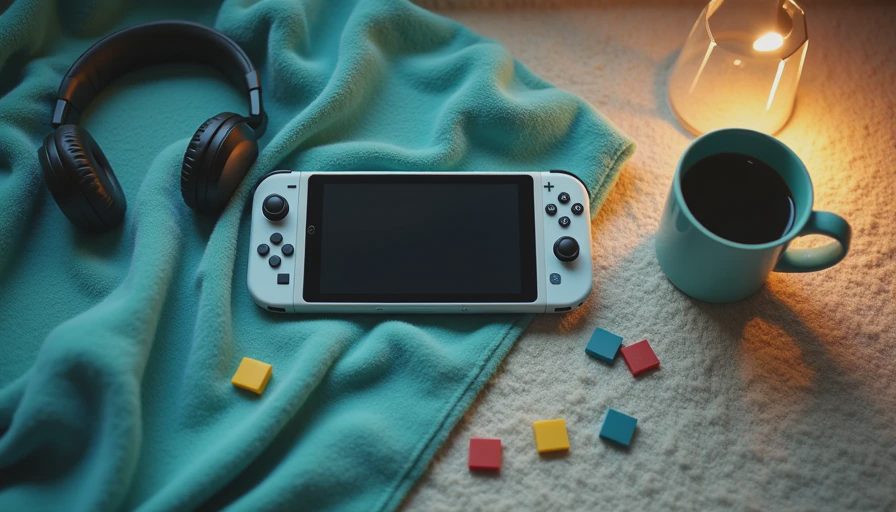
I also recommend checking whether a game supports the way you play. Steam Deck and Switch are useful for short, interrupted sessions, but performance, text size, and save behavior matter. A game that requires precise timing may feel better at a desk than on a handheld. A narrative title with tiny text can turn a restful evening into an eye exam.
A short list for tonight
If you want a gentle adventure, choose A Short Hike or Lil Gator Game. If you want a contained organizing task, choose Unpacking. If you want a long-term routine, choose Stardew Valley, provided you are willing to let its opening hours breathe. For emotional storytelling, try Spiritfarer. For a quiet puzzle, Dorfromantik is an excellent low-commitment option. For atmosphere and conversation, Coffee Talk is easy to pick up in short sessions.
These cozy games are not interchangeable, and that is useful. One gives you exploration, another gives you order, another gives you a farm to improve, and another gives you people to understand. Choose based on the kind of attention you can offer tonight rather than the game you think you should be playing.
The best cozy games do not merely look pleasant. They create a fair exchange for your time. They give you a small problem, a visible change, a good conversation, or a quiet place to think. When a game does that within its first hour, it has already made a strong case for the next one.


No notes yet — write the first.