Most adults do not need more games. We need better choices. When work runs late, dinner needs making, and the house finally gets quiet at 9:30, indie video games can offer something large releases often forget: a clear path to fun. The question is not whether a game is unusual or critically admired. It is whether the first hour respects your evening and gives you a reason to return tomorrow.
I have abandoned plenty of promising titles after spending two nights waiting for them to become interesting. That experience shaped how I judge a recommendation. A good game should earn your next hour. It should show enough of its personality early, make failure understandable, and deliver some kind of emotional or mechanical payoff before your schedule interrupts you.
What Makes Indie Video Games Worth an Evening?
The best indie video games usually have a strong central idea. A Short Hike understands that gentle exploration, small discoveries, and a modest goal can carry an entire afternoon. Into the Breach turns each battle into a compact logic problem, so a 25-minute session still feels complete. Cocoon builds its appeal around layered worlds and clean visual communication rather than tutorials that bury the fun.
That focus matters more than a large map or a hundred-hour campaign. When time is limited, friction becomes part of the buying decision. Long unskippable introductions, overloaded menus, slow crafting systems, and repeated trips across empty terrain all charge against your available attention. Interesting is not the same as worth your night. A game can be clever and still be a poor fit for a Wednesday evening.
I look for an honest opening. Does the game explain its basic rhythm within 30 to 90 minutes? Can you stop at a natural point? Does each session add a new idea, reveal, or decision instead of simply increasing a progress bar? Those questions separate a satisfying compact experience from a backlog obligation.
Short Indie Games With Real Payoff
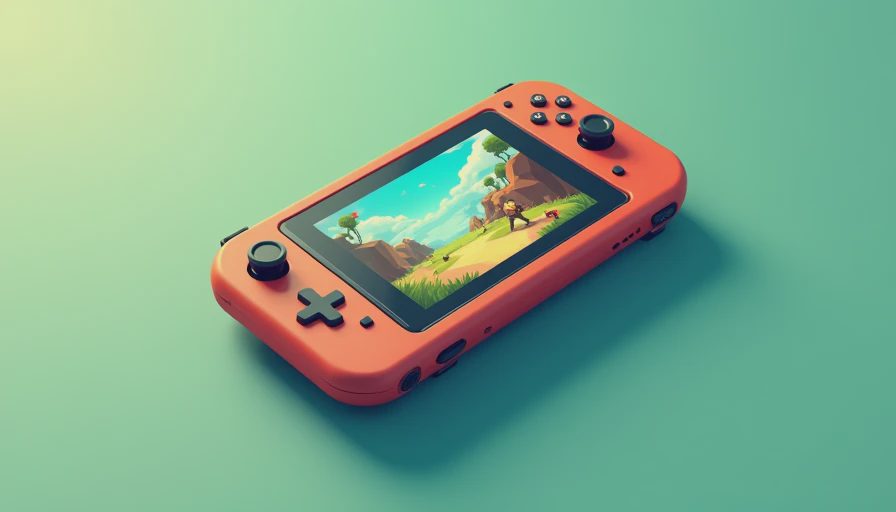
Short does not mean shallow. Some of the most memorable indie video games take between three and eight hours because they know exactly what they want to say. The Case of the Golden Idol gives you a mystery, a set of evidence, and the pleasure of making the connection yourself. Return of the Obra Dinn asks you to observe carefully, record conclusions, and accept that the game will not flatter a careless guess.
For a busy player, these games create useful stopping points. You can solve one scene during a lunch break, finish a chapter after the children are asleep, or spend a Saturday morning following a thread without signing a contract for the rest of the month. Firewatch is another good example of deliberate pacing: its walking and conversation systems are simple, but the changing relationship and sense of place keep the limited runtime moving.
Shorter games also make experimentation less expensive. If a strange premise does not connect after two sessions, you have not sacrificed 40 hours trying to reach the good part. That is a practical advantage, not a lack of patience. Your free time has a cost, even when nobody sends you a bill for it.
Choose By Session Length, Not Genre Alone
Genre labels help, but they do not tell you how a game fits into real life. A turn-based strategy game such as Into the Breach works well for interrupted schedules because battles are self-contained and you can think without a timer. Balatro can consume an entire weekend, but its individual rounds are easy to understand and restart. A game like Hades offers short runs, while still providing a larger arc for players who want a long-term project.
Before buying, check whether progress saves at sensible moments. Some indie video games use an autosave after every room or encounter; others expect you to finish a chapter before quitting. That distinction matters when you have 35 minutes and a morning meeting. Look at the estimated completion time, then read recent player comments for words such as “slow start,” “grind,” “backtracking,” and “great in short sessions.” Those details are often more useful than a review score.
I also separate decision-heavy games from attention-heavy games. A puzzle title can be paused safely, while an action game may demand uninterrupted focus. Neither is automatically better. The right choice depends on whether tonight offers a calm hour or ten scattered minutes between responsibilities.
A Practical Filter for Your Backlog
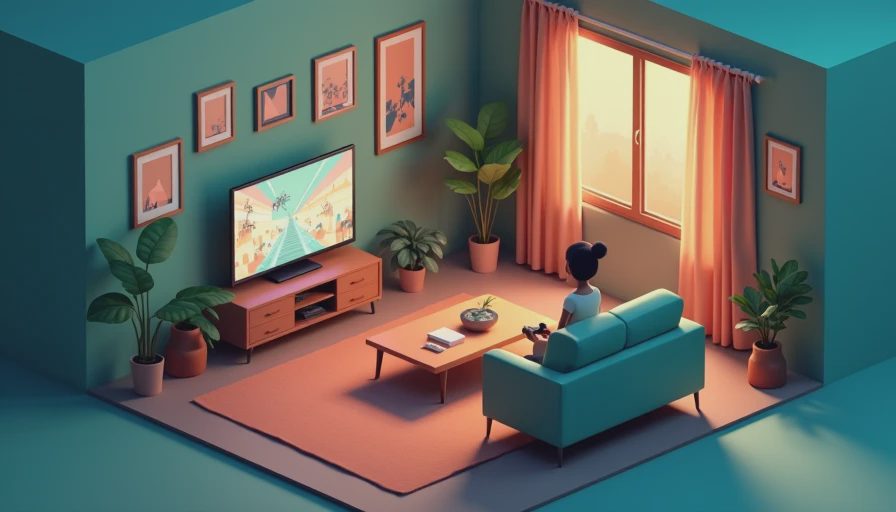
When I am choosing among indie video games, I use a simple four-question filter. First, what is the main activity: exploring, solving, building, fighting, or following a story? If I cannot explain it in one sentence, I expect a learning curve. Second, what happens in the first 20 minutes? A good opening should provide a small version of the full experience, not just exposition.
Third, how much repetition is the game asking for? Repetition can be satisfying when each attempt teaches something, as in a strong roguelike. It feels wasteful when the same travel, dialogue, or tutorial sequence returns without adding meaning. Finally, what kind of mood do I want? Dredge offers eerie exploration and compact objectives. Citizen Sleeper is slower and more text-focused, with decisions that reward attention rather than reflexes. Neither is a universal recommendation, but each is clear about its identity.
This filter takes less time than downloading a game, adjusting settings, and quitting after the second tutorial. It also prevents the common mistake of buying a title because its screenshots look appealing while ignoring the actual play loop.
How to Spend Less on Games You May Not Finish
Price is part of the calculation, especially when your backlog already contains unfinished purchases. Sales can make a $20 game an easy experiment, while a $60 release deserves a higher confidence level. A subscription catalog can be useful for testing a game, but it can also create a noisy list that replaces one form of backlog pressure with another.
Use the refund window on a digital storefront responsibly. Install the game, test the controls, play through the opening, and ask whether the core activity is already working for you. Do not force yourself to continue because a reviewer called it essential. The right indie video games feel more convincing after an hour, not less.
A small wish list is better than a giant one. Keep five or six games that match your current schedule and mood, then choose one. If you have only two evenings this week, a focused puzzle game or four-hour narrative adventure may serve you better than a sprawling survival game that demands daily attention.
The Best Recommendation Is the Honest One
There is no universal list of the best indie video games. A parent with one free hour on Sunday needs different advice from a college student looking for a 100-hour system to master. What matters is fit: pacing that matches your attention, saves that respect interruptions, and a central idea strong enough to carry the experience.
Start with a game that tells you what it is early. A Short Hike, Cocoon, Into the Breach, and The Case of the Golden Idol all make their appeal legible without requiring a long period of faith. If the opening feels like paperwork, move on. Your backlog is not a moral obligation, and finishing fewer games can be a sign that you are choosing more carefully.
A good game should earn your next hour. When an indie title does that through clear design, meaningful discoveries, and honest pacing, it becomes more than a hidden gem. It becomes the rare purchase that fits the life you actually have.



No notes yet — write the first.