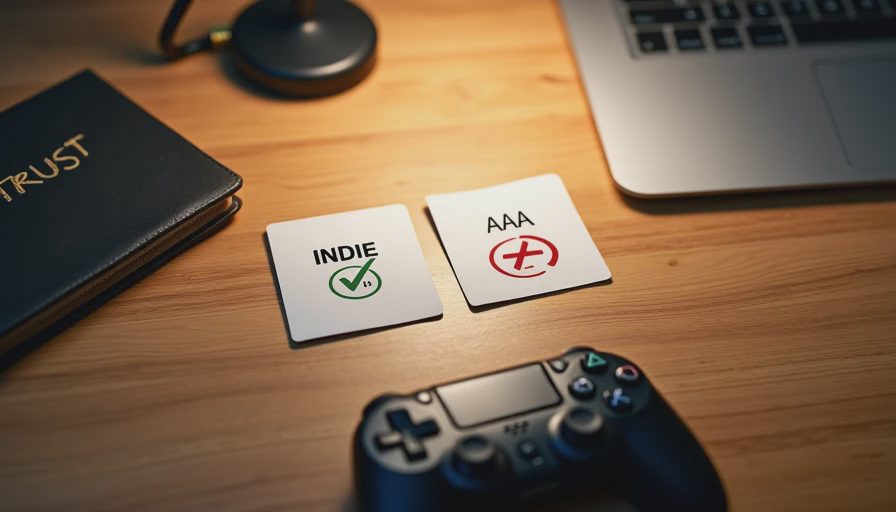
The Game That Lost My Trust in Twenty Minutes
I started a big-budget game last year. It had been on my list for months. Great reviews. Stunning trailers. A developer I respected.
I launched it on a Friday night. I was excited. I was ready.
Twenty minutes later, I was done.
Not because the game was bad. It wasn't. It was beautiful. It was polished. It was clearly made with care.
But it had already broken my trust.
The opening was a cinematic. Then a tutorial. Then another cinematic. Then a walking section. Then another tutorial. Twenty minutes in, I had spent about three minutes actually playing the game.
The game didn't trust me. It didn't trust that I'd figure things out. It didn't trust that I'd pay attention. It didn't trust that I was capable.
So I stopped trusting it.
I played a few more sessions, hoping it would get better. It didn't. The tutorials kept coming. The hand-holding never stopped. The game never treated me like a capable player.
I quit. Not because the game was bad. Because it never earned my trust.
This is a piece about trust. About how indie games earn it faster than big-budget games. About why that matters for busy adults with limited time.
What Trust Means in a Game
Let me define what I mean by trust.
When I trust a game, I believe it will respect my time. I believe it will teach me efficiently. I believe it will be honest about what it is. I believe it won't waste my attention.
When a game earns my trust, I'm willing to invest. I'm willing to learn. I'm willing to be patient. I'm willing to stick with it.
When a game doesn't earn my trust, I'm cautious. I'm skeptical. I'm ready to quit at the first sign of disrespect.
Earning trust is essential. And some games are much better at it than others.
How Indie Games Earn Trust
Indie games are often better at earning trust than big-budget titles. Here's why.
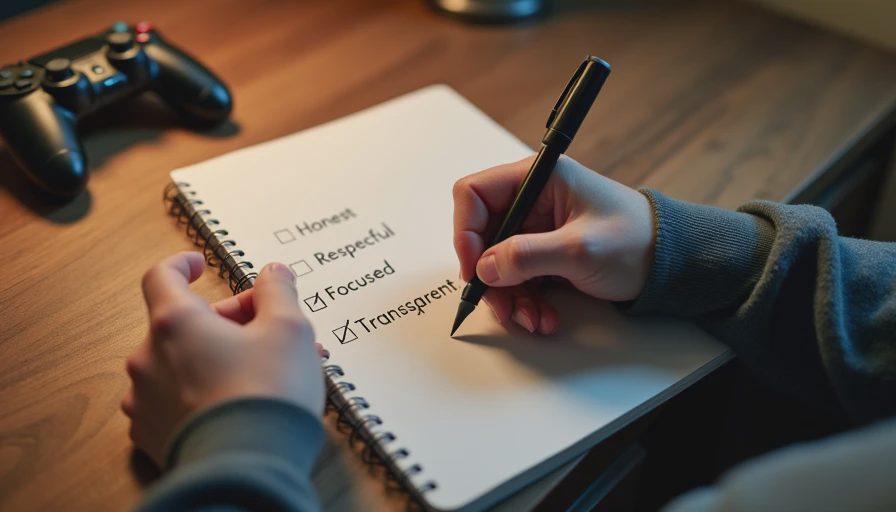
They're honest from the start. Indie games don't have the budget for elaborate cinematics or extended tutorials. They have to get to the point quickly. They show you what they are early.
They respect your intelligence. Indie games don't treat you like a beginner. They trust you to figure things out. They teach through design, not text boxes.
They're focused. Indie games don't have filler. They don't have padding. They give you the experience you came for without wasting your time.
They're transparent. Indie games are often straightforward about what they are. The Steam page tells you. The opening minutes confirm it. There are no surprises.
They value your attention. Indie games know you could be playing something else. They work hard to earn your attention from the first minute.
The Indie Advantage
Here's what this looks like in practice.
Efficient onboarding. Hades teaches you the controls in the first room. You learn by doing, not by reading. The game trusts you to figure it out.
Immediate engagement. Celeste drops you into a level within seconds. No cutscenes. No setup. Just you and the mountain. The game earns your trust by respecting your time.
Clear communication. Into the Breach tells you exactly what's happening. The enemies' moves are shown in advance. You plan, you execute, you learn.
No hand-holding. A Short Hike doesn't tell you where to go. It trusts you to explore. It trusts you to find your own path.
Quick payoff. Journey delivers its first emotional moment within minutes. The game earns your investment quickly.
Why Big-Budget Games Struggle
Big-budget games often struggle to earn trust. Here's why.
They're designed for a broader audience. Big-budget games need to appeal to everyone. That means they assume you know nothing. They hold your hand. They explain everything. They treat you like a beginner.
They have budgets to justify. Big-budget games need to show off their production values. That means long cinematics. Elaborate openings. Slow reveals. They take time to impress you visually, even if it costs them trust.
They're designed by committee. Big-budget games are often designed by large teams with conflicting priorities. The result is bloated. Unfocused. Unclear about what it wants to be.
They're afraid of losing you. Big-budget games are so afraid you'll quit that they over-explain everything. They don't trust you to figure things out. So you don't trust them.
They have filler to fill. Big-budget games need to justify their length. That means padding. Grind. Repetitive content. Things that waste your time and break your trust.
A Real Example
Let me give you a specific example of a big-budget game that lost my trust.
I started a game last year. It was a massive open-world RPG. I was excited. I'd been waiting for it for years.
The opening was a cinematic. Then a tutorial. Then a walking section. Then a dialogue. Then another tutorial. Then a fetch quest. Then another cinematic.
An hour in, I had done almost nothing. I had walked. I had listened. I had been told what to do. I had been told where to go. I had been told how to do it.
The game didn't trust me. It assumed I was incapable. It assumed I needed hand-holding. It assumed I wouldn't figure things out on my own.
I quit after about five hours. The game had broken my trust, and it never got it back.
The Impact of Broken Trust
When a game breaks your trust, it's hard to regain.
You're skeptical of every tutorial. You're suspicious of every cinematic. You're waiting for the game to waste your time again.
That skepticism ruins the experience. You're not immersed. You're not engaged. You're just waiting for the next failure.
Big-budget games often break trust early. And they never fully recover.
Indie games, by contrast, often earn trust early. And they keep it.
Why This Matters for Busy Adults
I care about trust because I don't have time to waste.
When I start a game, I want to know quickly whether it's going to respect my time. I want to know quickly whether I can trust it.
If a game breaks my trust in the first hour, I'm done. I don't have the patience to wait for it to get better. I don't have the time to invest in something that hasn't earned my attention.
Indie games earn trust faster. They're honest. They're respectful. They're transparent. They show you what they are quickly.
That's why I prefer them. And that's why I recommend them.
The Bottom Line
Indie games earn trust faster.
They're honest from the start. They respect your intelligence. They're focused and transparent. They value your attention.
Big-budget games often fail to earn trust. They assume you know nothing. They hold your hand. They waste your time. They treat you like a beginner.
For busy adults with limited time, trust matters. We can't afford to invest in games that haven't earned our attention.
A good game should earn your next hour. Trust is how it does that.
Worth your night, or not?

No notes yet — write the first.