The best indie gaming recommendations are not necessarily the strangest, newest, or most critically celebrated games. For adults with work, family, errands, and maybe one reliable hour after everyone is asleep, the better question is simpler: will this game make tonight feel well spent? I have abandoned enough impressive-looking titles during slow openings to know that “interesting” is not the same as worth your night. A good game should earn your next hour.
What makes a game worth your limited time?
My first filter is time-to-fun. A game does not need to explain every system in its first five minutes, but it should establish a clear reason to keep playing. That might be a satisfying movement system, a mystery with an immediate hook, a tactical decision that matters, or a character you want to understand. If the opening spends two hours arranging menus and delivering lore, it is asking for patience before it has offered a return.
The best indie gaming experiences usually understand this trade. They can be deep without being slow, and they can be atmospheric without confusing atmosphere for content. A 90-minute game with a complete emotional arc can be more memorable than a 40-hour adventure padded with repeated errands. That does not mean every short game is good. It means length should serve the idea rather than become the idea.
I also look at friction. Can you pause immediately when a child needs help? Are save points sensible? Does the game remember where you were, or punish you for having a busy evening? These details sound ordinary until a poor checkpoint forces you to replay thirty minutes after a long workday. Good design respects the player’s life outside the screen.
How I judge the best indie gaming picks
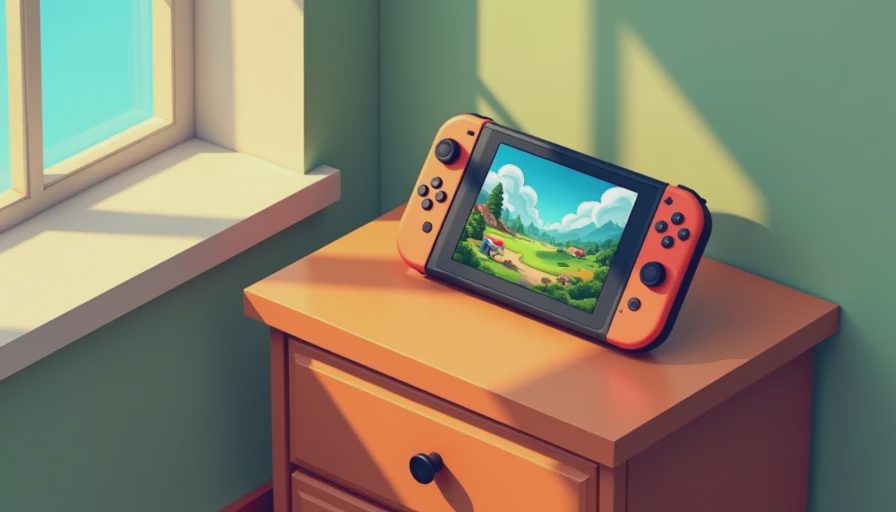
I use four practical questions before recommending a title. First, does it show its central pleasure early? A game built around clever exploration should give you somewhere meaningful to explore. A deck-building game should let you make an interesting choice before the tutorial becomes a lecture. A narrative game should create curiosity instead of merely introducing names.
Second, does each session have a natural stopping point? Games such as Into the Breach are excellent for this because a single battle can feel complete even when the larger campaign continues. Vampire Survivors works differently, using short runs that create a reliable “one more attempt” rhythm. Neither asks you to remember a complicated plot after a week away.
Third, is the payoff proportional to the effort? A difficult puzzle can be worthwhile when the solution changes how you see the whole room. Repeating the same task for a slightly larger number is less convincing. Finally, does the game know when to end? The best indie gaming projects often feel focused because they stop before their strongest idea becomes routine.
These standards are not a demand that every game be easy or short. Outer Wilds requires attention, and Return of the Obra Dinn asks you to carry details between sessions. Their friction is purposeful. The important distinction is whether the work creates a richer experience or merely delays it.
Best indie gaming choices for one free evening
If you have roughly two hours, start with a game that delivers a complete shape. A Short Hike is gentle, welcoming, and easy to finish in a single sitting, while still leaving room for optional discoveries. Florence is even more compact, using simple interactions to tell a relationship story without turning every emotion into a speech. These are useful choices when you want to play, not commit to a new lifestyle.
For a more demanding evening, try Cocoon. Its worlds and puzzles are tightly connected, and the game teaches through visual logic rather than long explanations. You can stop after a meaningful section and return later without losing the thread. If you prefer tension, Inside creates momentum through careful pacing and environmental storytelling. It is not cheerful, but it understands how to make a short journey feel deliberate.
The best indie gaming pick for a particular night depends on your available attention, not just your genre preference. After a day full of meetings, a punishing roguelike may feel like another job. On a quiet Saturday morning, the same structure can be exactly right. Match the game to your mental energy and you will get more from it.
Best indie gaming for different kinds of players
For players who want strong mechanics with minimal story, Into the Breach, Downwell, and Mini Metro are dependable options. Each presents a clear problem, gives you tools, and lets the consequences speak for themselves. For narrative-focused players, What Remains of Edith Finch and Oxenfree offer memorable scenes without requiring a massive backlog commitment. Their strengths are different, but both create forward momentum quickly.
If you like discovery, Outer Wilds is a remarkable longer commitment, though it needs a player willing to take notes and sit with uncertainty. Tunic offers a more traditional action-adventure structure while making knowledge itself part of the progression. For cooperative evenings, Overcooked! 2 can turn ten minutes into loud family chaos, while Unrailed! gives a small group a clear shared problem to solve.
On Steam, a deep sale library can make impulse buying easy. On Switch, portability makes short sessions more practical, but convenience does not automatically make a game a good fit. Before buying, watch five minutes of unedited gameplay and check the estimated length. Look for the actual loop: what will you do repeatedly, and does that activity sound satisfying after the novelty fades?
A simple test before you buy
Write down the time you realistically have this week. If the answer is two one-hour sessions, avoid choosing a 100-hour role-playing game just because it is discounted. Next, identify the kind of attention you have available. Do you want calm exploration, quick tactics, a strong story, or something physical and immediate? Then read one review that discusses pacing rather than simply listing features.
I also recommend checking whether the game supports your preferred platform and controller setup. A title that feels excellent with a gamepad can be awkward with a mouse, and a game designed around repeated retries may not suit someone who wants an uninterrupted story. Price matters too. A $5 game that you finish and remember can be a better purchase than a $30 game you postpone indefinitely.
The best indie gaming habit is not collecting more recommendations. It is choosing with enough care that you actually start the game, reach its good ideas, and finish when it has said what it needs to say. Your backlog does not need another obligation. It needs a better filter.
The real measure of a recommendation
A strong indie game does not have to impress everyone. It has to understand its own purpose and communicate that purpose before your patience runs out. When a game respects your pauses, offers meaningful progress, and gives each session a satisfying shape, it becomes easier to recommend to someone with a full calendar.
That is why the best indie gaming conversation should focus less on hype and more on fit. Tell me how much time you have, how much concentration you can spare, and what kind of payoff you want. From there, the right choice is usually clearer. A good game should earn your next hour, and the best ones make you glad you gave it one.


No notes yet — write the first.