The best underrated games do not demand that you quit your job, ignore your family, or wait ten hours for the interesting part. They make a clear case for themselves early. For busy adults, that matters. A good game should earn your next hour, not ask for blind faith because someone online called it a masterpiece.
I approach underrated games with a simple question: if I only have two free hours this week, will this experience make those hours feel well spent? That means looking beyond review scores and sales charts. I care about the opening, the friction between good moments, how quickly a game explains its appeal, and whether the ending gives the time back with interest.
What Makes a Game Underrated?
An underrated game is not automatically obscure, experimental, or difficult. Sometimes it is a polished release buried under a crowded launch calendar. Sometimes it has an awkward title, a plain visual style, or a first trailer that failed to communicate what makes it special. Other times, the game is popular with a small group but never reaches the wider audience its design deserves.
The useful distinction is between overlooked and merely niche. A strange game can be excellent, but weirdness alone is not a recommendation. The strongest underrated games have a readable center: a combat idea that feels good within minutes, a story that respects your attention, or a loop that makes one more short session genuinely tempting.
I also separate “interesting” from “worth your night.” A game can have an unusual premise and still waste time with slow menus, vague objectives, or repetitive tasks. For adult players, those costs are real. If the first 30 to 60 minutes show a clean connection between effort and reward, I pay attention. If the game spends that time clearing its throat, I move on.
Short Games With a Strong First Hour
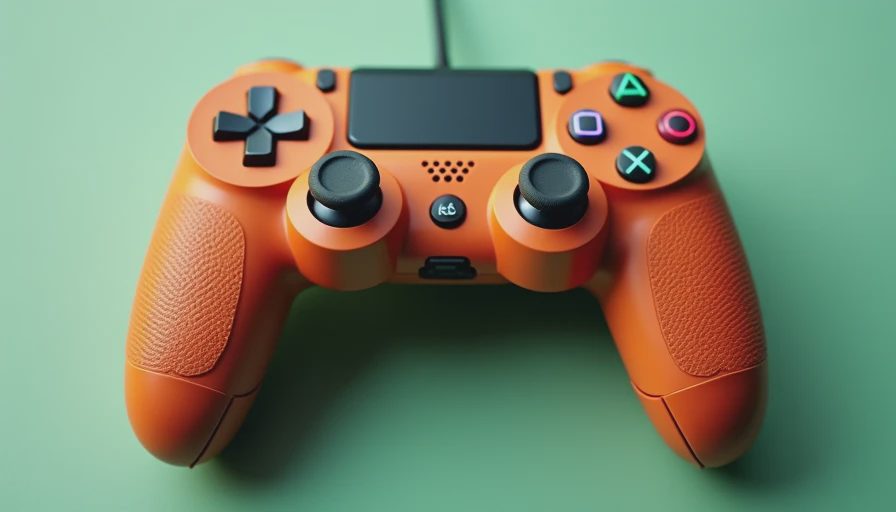
A few underrated games are ideal when your schedule comes in fragments. A Short Hike is gentle, funny, and compact enough to finish without turning relaxation into a second job. The Forgotten City uses a time-loop mystery to create momentum; each discovery changes what you can do next, so exploration rarely feels empty. Return of the Obra Dinn asks for close observation rather than grinding, making a quiet evening feel productive in the best possible way.
These games understand pacing. They introduce a useful rule, let you test it, and then add a complication before the idea goes stale. You do not need a spreadsheet or a dozen online guides to enjoy them. Even when there is depth, the next decision is usually visible.
That is the first test I use for underrated games: can the game give me a satisfying stopping point? A chapter, a solved mystery, a completed delivery, or a meaningful upgrade makes it easier to play around real life. You can close the laptop at 10 p.m. without feeling that you abandoned the experience halfway through an obligation.
Hidden Gems for Different Kinds of Evenings
For a tense evening, Into the Breach offers compact tactical battles where every move matters. A single run can fit into a short session, and failure usually teaches something specific rather than merely taking your time. For something warmer, Dordogne pairs illustrated environments with a reflective story and a manageable pace. It is not trying to overwhelm you with systems; its appeal comes from attention to place and memory.
If you want action, Furi delivers focused boss fights with little filler, though its difficulty is deliberate and not especially forgiving. If you want a slower puzzle, The Case of the Golden Idol gives you crime scenes to inspect and conclusions to assemble. The satisfaction comes from being right for a reason, not from watching a character explain the answer.
The range matters because underrated games are not one genre. They can be tactical, narrative, cozy, frightening, or mechanically demanding. The common thread is efficient design. Each game knows what it wants you to notice, and it does not bury that purpose under a map full of errands.
How to Choose Before You Buy
Start with the time you actually have, not the time you wish you had. If you have one evening, choose a game with chapters, runs, or clear scenes. If you can play for several weeks, a longer strategy or role-playing game becomes more reasonable. A 20-hour game is not a bargain if you abandon it after three sessions because every session begins with ten minutes of inventory management.
Next, check the first-hour experience through a spoiler-light video or a storefront description. Look for the core action, not the marketing adjectives. “Immersive” tells you little; “investigate four connected rooms and infer suspects from physical evidence” tells you much more. Reviews that discuss pacing are especially useful for underrated games because they reveal whether the appeal is immediate or buried beneath setup.
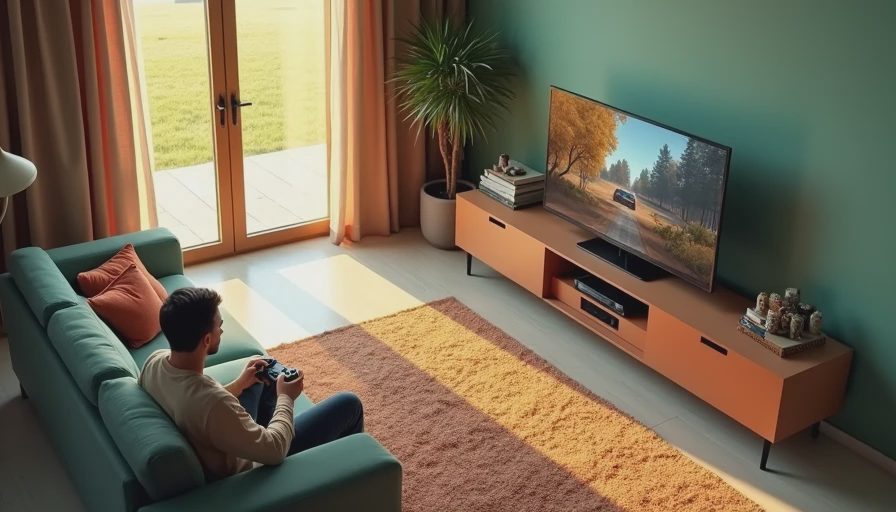
Finally, consider friction. Does the game support a controller you already own? Are there frequent save points? Can you adjust text size, difficulty, or subtitle settings? These details do not determine quality, but they determine whether quality reaches you after a long workday. Steam refunds, demos, and subscription libraries can lower the cost of testing a recommendation.
Games That Respect Your Attention
One reason underrated games stay with me is that they often use limitation as a strength. A small team may focus on one mechanic instead of building a giant world filled with interchangeable activities. The result can feel more personal. In Papers, Please, repetitive document checks gradually become moral decisions. In Unpacking, placing ordinary objects tells a life story without lengthy exposition. In Signalis, atmosphere and resource pressure create tension without constant spectacle.
None of these games is perfect for every player. Papers, Please can feel emotionally heavy. Unpacking is intentionally quiet. Signalis expects comfort with old-school survival-horror friction. That honesty is useful. The point is not to label every overlooked release essential; it is to identify the specific night when its strengths match your mood and patience.
The best underrated games also make progress legible. You know what changed because of your choice, your deduction, or your improved execution. That clarity creates emotional payoff per hour, which is often more valuable than a huge map or a hundred-hour campaign.
A Practical Three-Game Rotation
For a busy week, I like keeping three types of games available. The first is a short, low-pressure option for nights when concentration is gone. The second offers structured challenge in 20- to 40-minute sessions. The third is a story-driven game that rewards a longer weekend block. This prevents one unfinished title from becoming the only choice on your console.
A rotation also helps reveal which underrated games truly fit your habits. You might discover that a highly praised roguelike feels like work after dinner, while a compact puzzle game becomes the thing you look forward to. That is not a failure of taste. It is useful information about your time.
Before buying, ask what the game will ask from you and what it will return. If the answer is clear, the price feels easier to judge. A discounted $15 game that gives you six focused hours can be a better purchase than a $60 blockbuster you repeatedly postpone. Browse patiently, start with the demo when one exists, and let the first hour make the case.
There are plenty of underrated games waiting below the obvious recommendation cycle. You do not need to play all of them. Choose one that matches tonight’s energy, give it a fair opening session, and notice whether it creates curiosity instead of obligation. Interesting is not the same as worth your night, but when a game earns the next hour, you have found something worth keeping.




No notes yet — write the first.